
Why Saving Habits Define Your Financial Future
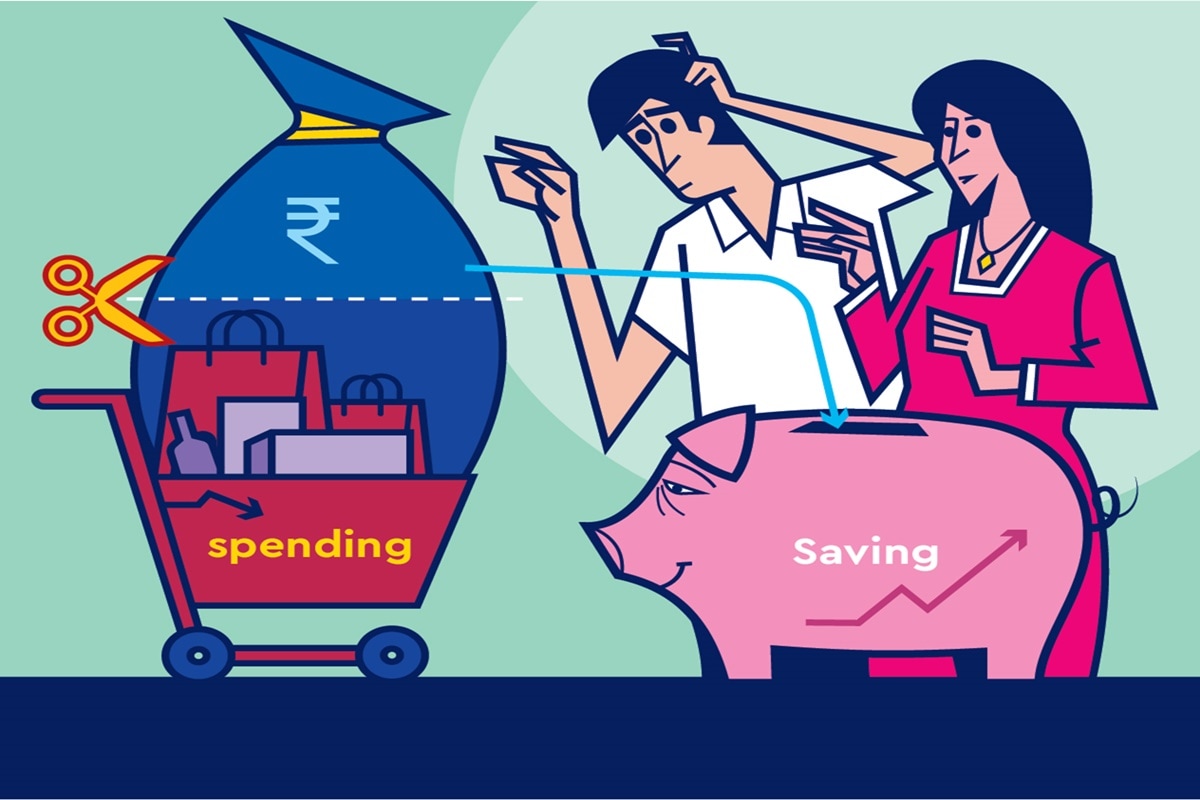
Your financial future isn’t some distant, unpredictable event. It’s being shaped right now, every single day, by the small choices you make – particularly your saving habits. Think of it like this: each dollar saved is a seed planted. Nurture those seeds consistently, and you’ll cultivate a bountiful harvest of financial security and opportunity. Ignore them, and you might find yourself facing a much leaner future.
Key Takeaways:
- Consistent saving habits are the cornerstone of a secure financial future.
- Budgeting and goal setting are essential for developing effective saving habits.
- Automating savings and reducing expenses can significantly accelerate your progress.
- Understanding the power of compounding interest is vital for maximizing your savings.
Understanding How Saving Habits Shape Your Tomorrow
Your saving habits are more than just putting money aside; they’re a reflection of your priorities, your discipline, and your understanding of the power of compounding interest. Consider two individuals: Sarah, who consistently saves 15% of her income, and John, who spends everything he earns. Even if they have similar incomes, over time, Sarah will build a substantial nest egg while John remains financially vulnerable. This difference isn’t just about the amount saved; it’s about the mindset, the planning, and the commitment to a long-term vision. If sarah is a Content Creator, she will need a good internet connection to upload good content, and we are talking about 100 gb here.
Budgeting as the Foundation of Good Saving Habits
Budgeting is the bedrock of effective saving habits. It’s about understanding where your money is going, identifying areas where you can cut back, and allocating funds towards your savings goals. A budget isn’t about restriction; it’s about empowerment. It gives you control over your finances, allowing you to make conscious choices about how you spend and save. Start by tracking your expenses for a month to get a clear picture of your spending patterns. Then, create a budget that prioritizes your savings goals, whether it’s for retirement, a down payment on a house, or simply building an emergency fund. Several budgeting methods exist, from the 50/30/20 rule to zero-based budgeting; find one that aligns with your lifestyle and financial goals.
Setting Clear Savings Goals for Long-Term Financial Wellbeing
Having clear, specific savings goals is crucial for staying motivated and on track. Instead of vaguely aiming to “save more,” set concrete objectives, such as “save $5,000 for a down payment on a car within two years” or “contribute enough to my 401(k) to receive the full employer match.” The more specific your goals, the easier it will be to create a plan to achieve them. Break down larger goals into smaller, more manageable steps. For example, if your goal is to save $5,000 in two years, aim to save approximately $208 per month. Regularly review your progress and adjust your plan as needed. Don’t forget to factor in potential investment returns when calculating your savings targets. A financial advisor can provide personalized guidance on setting realistic and achievable goals based on your individual circumstances.
Automating Your Savings to Build Better Saving Habits
One of the most effective ways to improve your saving habits is to automate your savings. Set up automatic transfers from your checking account to your savings or investment accounts each month. This “pay yourself first” approach ensures that you consistently save, even when you’re busy or tempted to spend. You can automate contributions to your retirement accounts, such as a 401(k) or IRA, and set up recurring transfers to a high-yield savings account for your emergency fund. Automation takes the guesswork out of saving and helps you build wealth without even thinking about it. Many banks and financial institutions offer tools and services to help you automate your savings, making it easier than ever to build good saving habits.

Related Posts

The Role of Financial Education in Life Success

Investment Options That Minimize Risk Exposure
