
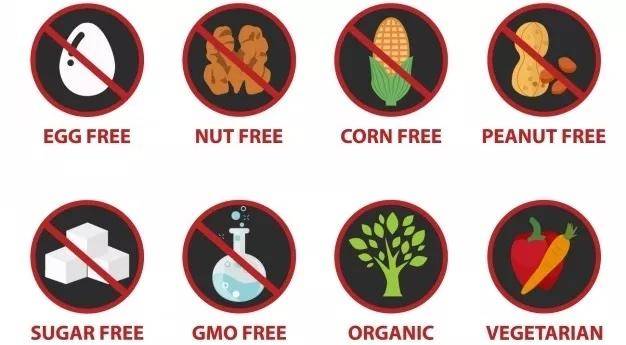
Reliable home-based bakery for dietary restrictions
Running a dedicated home-based bakery for dietary restrictions demands a unique blend of passion, precision, and a deep understanding of allergen management. My journey began out of a personal need to create delicious, safe treats for family members with specific food sensitivities. This experience quickly grew into a small business, catering to others who often felt excluded from traditional bakeries. It requires meticulous planning, from ingredient sourcing to final delivery, ensuring every product is not just tasty, but genuinely safe for consumption.
Overview
- Establishing a home bakery for dietary needs involves strict adherence to local regulations and food safety protocols, especially in the US.
- Ingredient sourcing is paramount, focusing on certified allergen-free suppliers and meticulous cross-contamination prevention.
- Clear communication with customers about ingredients and potential allergens builds trust and ensures satisfaction.
- Effective marketing targets specific communities and leverages testimonials to reach those seeking specialized baked goods.
- Pricing for specialty products reflects the higher cost of ingredients, specialized equipment, and labor-intensive processes.
- Operating efficiently requires a dedicated workspace, organized inventory, and a streamlined order fulfillment system.
- Continuous learning about new ingredients, dietary trends, and allergen science is crucial for long-term success.
Setting Up Your Home-based bakery for dietary restrictions
Establishing a successful home-based bakery for dietary restrictions begins with a solid foundation, especially concerning legalities and workspace setup. In the US, cottage food laws vary by state, dictating what you can sell from home and under what conditions. Typically, this involves specific labeling requirements, sales limits, and often restrictions on selling across state lines. Understanding these regulations is the first critical step to operating legally and safely. It ensures your business is compliant and protects your customers.
Beyond legalities, setting up a dedicated, allergen-controlled workspace is vital. This means having separate utensils, cutting boards, mixers, and even ovens or designated baking times if you handle common allergens in the same kitchen. My bakery focuses heavily on gluten-free and dairy-free options, requiring strict separation from any wheat or dairy products. Proper sanitation protocols, including thorough cleaning between batches and storing ingredients in airtight, clearly labeled containers, minimize the risk of cross-contamination. This commitment to a safe environment is the cornerstone of trust for customers with severe allergies.
Sourcing Ingredients and Ensuring Allergen Safety
Sourcing the right ingredients is fundamental when operating a specialized bakery. For a home-based bakery for dietary restrictions, every component, from flour to sprinkles, must be scrutinized for potential allergens. I prioritize suppliers who offer certified gluten-free, nut-free, or dairy-free ingredients, complete with clear allergen statements. This often means purchasing from specialty stores or online suppliers, which can increase ingredient costs but ensures product integrity. Reading labels meticulously, even on familiar brands, is a constant practice, as formulations can change without notice.
Maintaining a strict allergen management plan is non-negotiable. This involves dedicated storage areas for different allergen-safe ingredients to prevent accidental mixing. For instance, gluten-free flours are kept separate from all-purpose flours. Training any help on proper handling and cleaning procedures is also essential. We implement a “bake-in-order” system for highly sensitive orders, preparing and cleaning the workspace entirely before starting. This approach reduces the chance of cross-contact and builds customer confidence in the safety of their food.
Marketing Your Home-based bakery for dietary restrictions Effectively
Marketing a home-based bakery for dietary restrictions requires a targeted approach, emphasizing trust and transparency. Customers seeking allergy-friendly options are often weary from past disappointments and rely on clear communication. Showcasing your knowledge of dietary needs and your stringent safety protocols is paramount. My marketing highlights the specific dietary categories I cater to – gluten-free, vegan, nut-free – and explains the rigorous methods I use to prevent cross-contamination. Clear ingredient lists and allergen disclaimers are part of every product description.
Leveraging online platforms and local community groups is very effective. Social media allows for visual storytelling, sharing pictures of delicious products alongside behind-the-scenes glimpses of our safe baking practices. Engaging with support groups for celiac disease, dairy allergies, or other conditions can connect you directly with your target audience. Testimonials from satisfied customers, especially those who can attest to the safety and taste, are incredibly powerful. Participation in local farmers’ markets or health fairs also provides direct interaction, allowing potential customers to ask questions and build rapport.
Pricing and Operations for Specialized Baked Goods
Pricing products from a specialized bakery correctly is crucial for sustainability. The cost of specialty, allergen-free ingredients is significantly higher than conventional ones. For example, certified gluten-free flours, plant-based butters, and specific egg replacers often carry a premium. Additionally, the labor involved in careful sourcing, meticulous preparation, and stringent cleaning protocols adds to the overhead. My pricing reflects these higher input costs, the specialized knowledge required, and the assurance of safety I provide. Customers understand and value this when they cannot find comparable items elsewhere.
Efficient daily operations are key to managing multiple orders and varying dietary needs. This involves a streamlined order process, clear communication channels with customers, and an organized inventory system. I use a simple online form for orders, requesting specific dietary needs and any allergy concerns upfront. Batch baking certain items helps manage time, while custom orders require dedicated scheduling. Maintaining detailed records of ingredients used per batch allows for quick reference if any questions arise. This operational discipline ensures consistency and minimizes errors, reinforcing the bakery’s reliability.


