

Applying Lean methodology for service-based businesses
Streamline operations, boost value, and reduce waste in service sectors. Learn practical Lean strategies for business efficiency.
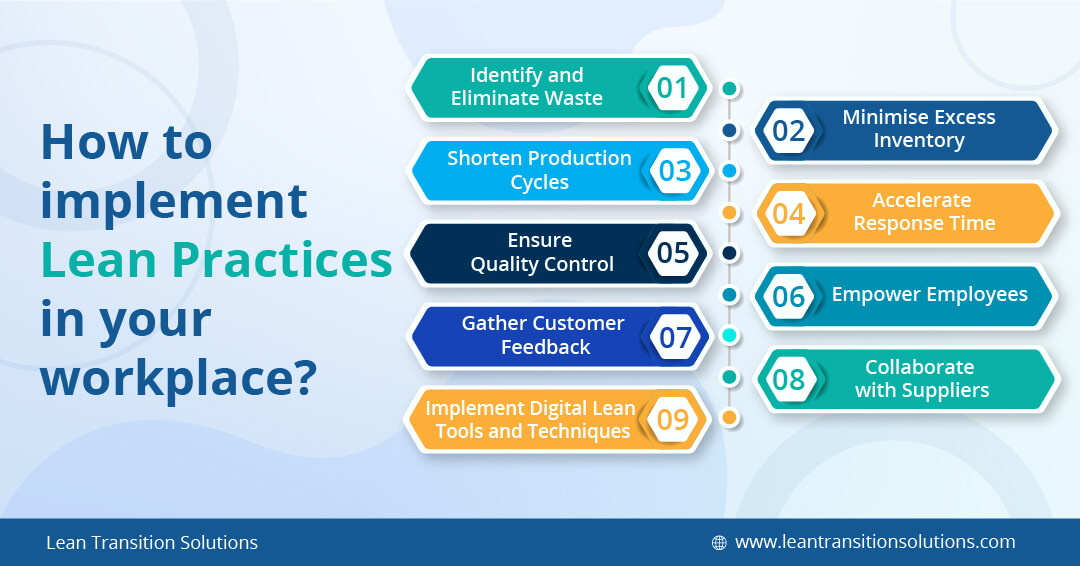
My experience working with various service-based organizations, from small startups to large corporations across the US, has repeatedly shown me a powerful truth: efficiency isn’t just for factories. The principles of Lean, traditionally associated with manufacturing, are profoundly applicable to any business that delivers a service. It’s about creating more value for customers with less waste, focusing relentlessly on what truly matters to them. This isn’t theoretical; it’s a practical approach that improves flow, reduces lead times, and ultimately boosts customer satisfaction and profitability.
Overview
- Lean methodology for service-based businesses identifies and eliminates waste in service delivery processes.
- It focuses on creating maximum customer value using minimal resources.
- Key principles include understanding customer value, mapping the value stream, ensuring continuous flow, implementing pull systems, and pursuing perfection.
- Common service wastes include waiting, over-processing, defects, and unused talent.
- Practical tools like Value Stream Mapping, 5S, and Standard Work are adapted for intangible service environments.
- Successful implementation requires strong leadership commitment, employee involvement, and a culture of continuous improvement.
- Challenges often include resistance to change and difficulties in visualizing service processes.
Understanding the Core Principles of Lean methodology for service-based businesses
Applying Lean methodology for service-based businesses starts with a fundamental shift in perspective. We move away from simply completing tasks and instead focus on the value perceived by the customer. What does the customer truly pay for? What steps genuinely contribute to that value? Everything else is considered waste (Muda). This includes waiting times in a call center, redundant data entry, or unnecessarily complex approval processes in a consulting firm.
The five core principles of Lean are crucial here:
- Define Value: Clearly understand what the customer values. For a healthcare provider, it might be quick access to care and accurate diagnoses. For a software company, it’s reliable, easy-to-use features.
- Map the Value Stream: Identify all steps in the service delivery process, from initial request to final delivery. This visual map helps pinpoint waste.
- Create Flow: Ensure the service moves smoothly through the value stream without interruptions or bottlenecks. Imagine a loan application process where each step flows directly to the next.
- Establish Pull: Services should be “pulled” by customer demand, not pushed through by internal schedules. This prevents overproduction of services nobody needs right now.
- Seek Perfection: Continuously strive to eliminate waste and improve processes. This is an ongoing journey, not a one-time project. These principles are universal, yet their application in service sectors demands specific insights.
Implementing Value Stream Mapping for Service Optimization
Value Stream Mapping (VSM) is an invaluable tool for any service business looking to apply Lean principles. It involves visually mapping the current state of a service process, from the customer’s initial request to its final delivery. This detailed diagram helps us see the flow of information and work, identify non-value-added steps, and quantify waste. For example, in a claims processing department, VSM might reveal extensive waiting times between approval stages, multiple handoffs causing delays, or repeated data verification.
Once the current state is mapped, the next step is to design a future state map. This ideal state shows how the process should look after waste has been removed and flow improved. It’s not just about eliminating steps; it’s about optimizing the sequence, reducing lead times, and improving communication. Typical wastes identified in service settings include waiting (for information, approvals, or staff), over-processing (doing more work than required by the customer), motion (unnecessary movement of people or information), and defects (errors requiring rework). My experience shows that just the act of creating these maps often sparks immediate ideas for improvement among team members.
Key Strategies for Applying Lean methodology for service-based businesses
When we implement Lean methodology for service-based businesses, specific strategies become powerful drivers of change. One key strategy is Standard Work, which ensures consistency and quality by documenting the best way to perform a task. This is critical for customer service interactions, onboarding new employees, or managing project deliverables. Standard work isn’t rigid; it evolves through continuous improvement, becoming a baseline for future innovation. For instance, a standardized client intake process can significantly reduce errors and client frustration.
Another vital strategy is 5S: Sort, Set in Order, Shine, Standardize, and Sustain. While often visualized in physical workspaces, 5S translates well to digital environments and service processes. Sorting digital files, standardizing naming conventions, and regularly cleaning up databases improve information retrieval and reduce digital clutter. This systematic approach fosters an organized environment, whether it’s an accounting firm in Chicago or a marketing agency in Seattle. The focus is always on creating a disciplined, efficient workplace. Poka-Yoke, or error-proofing, also plays a role, like automatic validation checks in online forms to prevent data entry mistakes.
Overcoming Challenges in Adopting Lean methodology for service-based businesses
Implementing Lean methodology for service-based businesses is not without its hurdles. One significant challenge is the intangible nature of many service processes. Unlike manufacturing, where inventory and production lines are visible, service processes often involve information, decisions, and human interactions, making them harder to visualize and measure. Resistance to change is another common issue; people are often comfortable with existing routines, even if they are inefficient. Employees might fear that Lean is simply a way to cut staff, leading to skepticism and disengagement.
To address these challenges, strong leadership commitment is paramount. Leaders must clearly communicate the “why” behind Lean initiatives, focusing on customer value and employee empowerment, not just cost-cutting. Training and education are essential to equip teams with the necessary tools and mindset. Starting with small pilot projects can build momentum and demonstrate tangible benefits, fostering buy-in across the organization. Celebrating successes, even small ones, reinforces the value of continuous improvement. Creating a culture where everyone feels empowered to identify waste and suggest improvements is fundamental to long-term success.


