
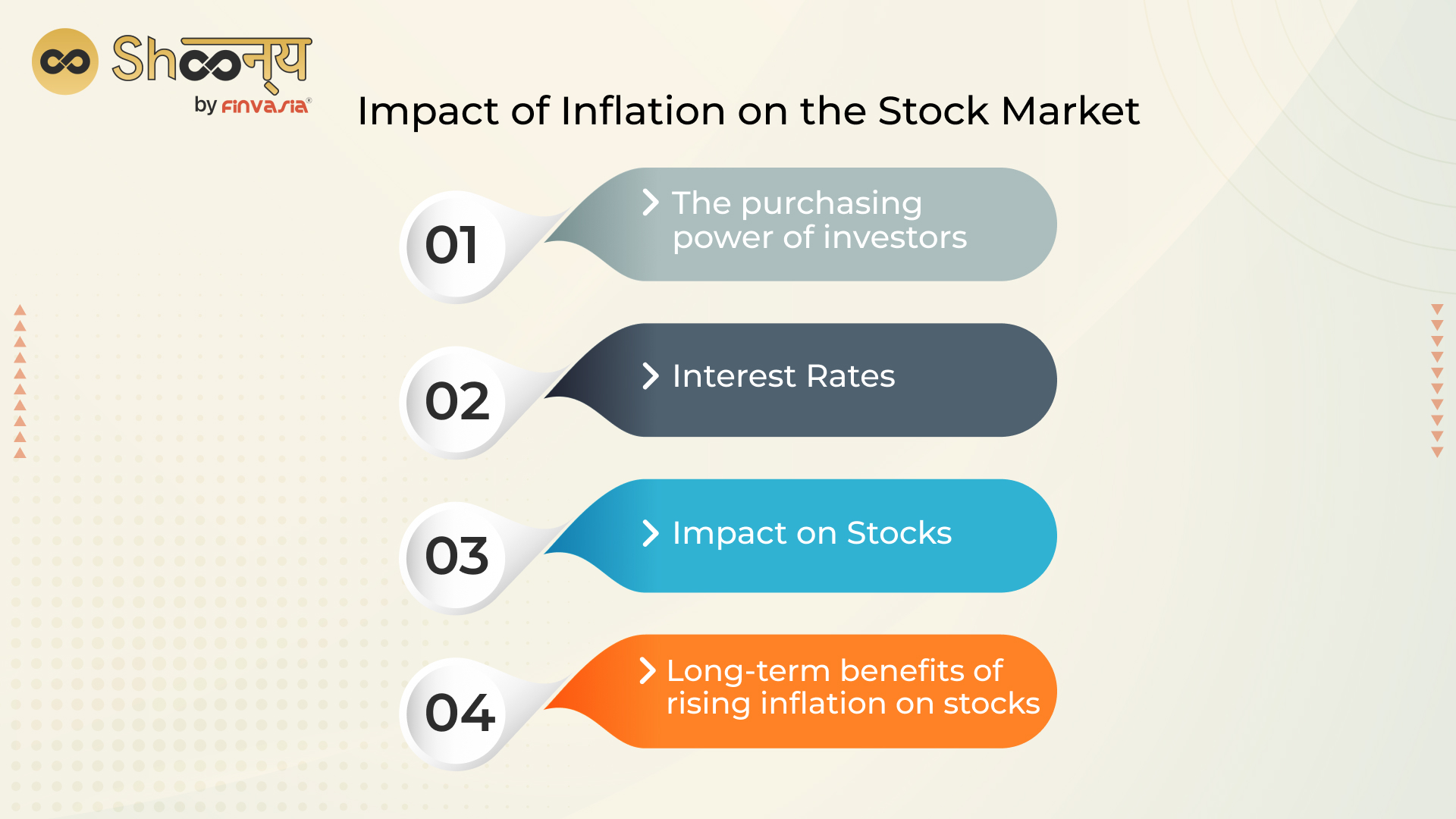
Understanding Inflation and Its Real Impact
Inflation is a term you hear frequently, especially during times of economic uncertainty. But what does it really mean, and how does it affect your day-to-day life? Simply put, inflation is the rate at which the general level of prices for goods and services is rising, and consequently, the purchasing power of currency is falling. This means that for the same amount of money, you can buy less than you could before. Understanding inflation and its multifaceted effects is crucial for making informed financial decisions and safeguarding your financial well-being. The measurement of inflation often uses indices like the Consumer Price Index (CPI), which tracks the average change over time in the prices paid by urban consumers for a basket of consumer goods and services. A higher CPI generally indicates higher inflation.

Key Takeaways:
- Inflation erodes your purchasing power, meaning you get less for your money.
- Inflation impact extends to investments, potentially affecting returns.
- Understanding inflation allows you to make informed financial choices.
- Strategies exist to mitigate the negative effects of rising prices.
How Does Inflation Impact Your Daily Life?
The inflation impact is felt in almost every aspect of your financial life. From the grocery store to the gas pump, you’re likely noticing that prices are higher than they used to be. This reduces your disposable income, making it harder to save or invest. Your budget must stretch further, potentially forcing you to make tough choices about spending. For example, if the price of milk increases by 10%, you’ll either have to pay more for the same amount of milk or buy less. This simple example scales up to everything from housing and transportation to healthcare and education. Businesses also feel the pinch as the cost of raw materials, labor, and transportation increases, which they often pass on to consumers in the form of higher prices. This creates a cycle of rising costs that can be difficult to break.
The Effect of Inflation Impact on Savings and Investments
Inflation doesn’t just affect your immediate spending; it also impacts your long-term financial goals. The real return on your savings and investments is the return after accounting for inflation. If your savings account earns 2% interest annually, but inflation is running at 4%, your money is actually losing purchasing power. This is because the value of what you can buy with that money is decreasing faster than the interest you’re earning. It’s like running on a treadmill – you’re working hard, but not getting anywhere.
To combat this, many people turn to investments like stocks, bonds, or real estate, which historically have the potential to outpace inflation. However, these investments also come with risk. It’s crucial to diversify your portfolio and consider your risk tolerance when making investment decisions. A financial advisor can help you create a strategy that aligns with your goals and protects your wealth from the erosive effects of inflation. Remember that past performance isn’t necessarily indicative of future results, especially when unpredictable events shake the global economy impacting things such as currency exchange rates or the availability of crude oil from places such as the gb.
Understanding Different Types of Inflation Impact
Not all inflation is created equal. There are different types of inflation, each with its own causes and consequences. Demand-pull inflation occurs when there is more money chasing too few goods and services. This happens when aggregate demand exceeds aggregate supply, leading to upward pressure on prices. Cost-push inflation, on the other hand, arises when the costs of production, such as wages and raw materials, increase. Businesses then pass these higher costs on to consumers in the form of higher prices.
Another important concept is stagflation, a combination of slow economic growth and relatively high unemployment (economic stagnation) at the same time as rising prices (inflation). This is a particularly difficult situation to manage because policies designed to curb inflation may worsen unemployment, and vice versa. Hyperinflation is an extreme case of inflation where prices rise at an extremely rapid rate, often leading to economic collapse. Understanding these different types of inflation helps you better understand the economic environment and make more informed financial decisions.
Strategies to Protect Yourself From the Inflation Impact
While you can’t control inflation, you can take steps to protect your finances from its effects. One strategy is to invest in assets that tend to hold their value or appreciate during inflationary periods, such as real estate, commodities, or inflation-protected securities (TIPS). Negotiating a raise at work can also help you maintain your purchasing power. Another approach is to reduce your spending and find ways to save money. Creating a budget and tracking your expenses can help you identify areas where you can cut back. You can also consider refinancing debt to lower your monthly payments. For example, if you have a fixed-rate mortgage, your payments will remain the same even as prices rise, effectively making your housing costs cheaper in relative terms. Furthermore, consider investing in yourself by acquiring new skills or knowledge that can increase your earning potential. Staying informed about economic trends and seeking professional financial advice are also crucial for navigating the challenges of inflation.


