
Managing Labor Efficiency in Production Lines
Do you want to get more out of your production line without adding more staff? Are you looking for ways to reduce costs and boost output? Improving labor efficiency is the key. It’s about making the most of the people you have by streamlining processes, providing the right tools, and fostering a productive environment.
Key Takeaways:
- Labor efficiency is crucial for maximizing output and minimizing costs in production lines.
- Effective strategies include streamlining processes, providing adequate training, and utilizing technology.
- Continuous monitoring and analysis of key performance indicators (KPIs) are vital for identifying areas for improvement.
- A positive and supportive work environment contributes significantly to increased labor efficiency.
Understanding and Measuring Labor Efficiency
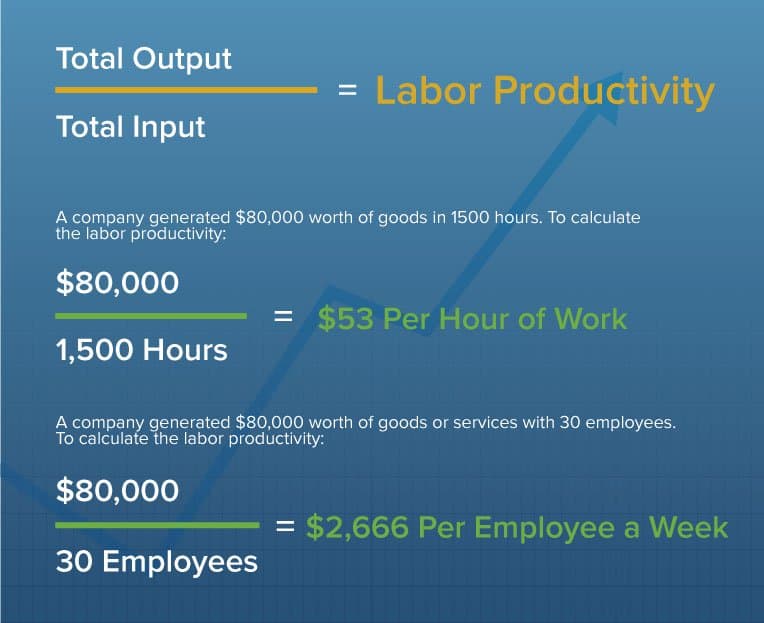
Labor efficiency isn’t just about working harder; it’s about working smarter. It’s the ratio of output achieved to the labor hours consumed. Understanding how to accurately measure this is the first step toward making meaningful improvements. Several metrics can help you track labor efficiency, including:
- Output per Labor Hour: This is a simple calculation – total units produced divided by the total hours worked. A higher number indicates better labor efficiency.
- Cycle Time: The time it takes to complete a specific task or process. Reducing cycle time directly impacts labor efficiency.
- Idle Time: Time when employees are not actively engaged in productive work. Identifying and minimizing idle time can significantly improve labor efficiency.
- First Pass Yield: This measures the percentage of products that meet quality standards the first time they are produced. A lower yield indicates inefficiencies and wasted labor.
Regularly tracking these metrics will provide valuable insights into areas where improvements can be made. For example, a sudden increase in idle time might indicate a bottleneck in the production process. You can use this insight to investigate the root cause and implement corrective actions. Many companies use specialized software, some requiring significant server space (e.g., 100 gb or more), to manage and analyze this data in real-time.
Strategies for Optimizing Labor Efficiency
Once you understand how to measure labor efficiency, you can start implementing strategies to improve it. Several proven methods can help you optimize your production line:
- Process Streamlining: Analyze each step in your production process to identify and eliminate unnecessary steps, redundancies, or bottlenecks. Lean manufacturing principles, such as value stream mapping, can be incredibly helpful in this area.
- Effective Training: Ensure your employees have the skills and knowledge they need to perform their jobs effectively. Invest in ongoing training programs to keep them up-to-date on the latest techniques and technologies. Well-trained employees make fewer mistakes, work faster, and require less supervision.
- Technology Integration: Automation, robotics, and other technologies can significantly improve labor efficiency. Consider automating repetitive tasks, providing workers with better tools and equipment, and implementing software solutions to manage workflows and track performance.
- Workplace Organization: A well-organized and clean workplace can significantly improve labor efficiency. Implement 5S principles (Sort, Set in Order, Shine, Standardize, Sustain) to create a more efficient and productive work environment.
The Role of Technology in Improving Labor Efficiency
Technology plays a vital role in boosting labor efficiency. From simple tools to complex automation systems, the right technology can help your workforce be more productive and efficient. Here are a few examples:
- Automation: Automating repetitive tasks, such as material handling, assembly, and packaging, can free up employees to focus on more complex and value-added activities.
- Robotics: Robots can perform tasks that are dangerous, physically demanding, or require high precision. They can also work continuously without fatigue, leading to increased output and reduced errors.
- Software Solutions: Enterprise Resource Planning (ERP) systems, Manufacturing Execution Systems (MES), and other software solutions can help you manage your production processes, track inventory, schedule production, and monitor performance in real-time. This data can be invaluable for identifying areas for improvement.
- Data Analytics: Analyzing data from your production line can reveal hidden inefficiencies and opportunities for optimization. Use data analytics tools to identify trends, predict problems, and make data-driven decisions.
Creating a Supportive Environment for Labor Efficiency
While technology and process improvements are important, don’t underestimate the power of a supportive work environment. Employees who feel valued, respected, and empowered are more likely to be productive and engaged. To create such an environment:
- Open Communication: Encourage open communication between employees and management. Provide opportunities for feedback and suggestions. Act on employee concerns and ideas whenever possible.
- Employee Empowerment: Give employees more autonomy and control over their work. Encourage them to take ownership of their tasks and responsibilities.
- Recognition and Rewards: Recognize and reward employees for their contributions and achievements. Publicly acknowledge their efforts and provide incentives for outstanding performance.
- Positive Work Culture: Foster a positive and supportive work culture that emphasizes teamwork, collaboration, and respect. Encourage employees to support each other and work together to achieve common goals.
By focusing on both technological advancements and a positive work environment, you can unlock significant improvements in labor efficiency and drive sustainable growth in your production line.


